- English
- 简体中文
- Esperanto
- Afrikaans
- Català
- שפה עברית
- Cymraeg
- Galego
- 繁体中文
- Latviešu
- icelandic
- ייִדיש
- беларускі
- Hrvatski
- Kreyòl ayisyen
- Shqiptar
- Malti
- lugha ya Kiswahili
- አማርኛ
- Bosanski
- Frysk
- ភាសាខ្មែរ
- ქართული
- ગુજરાતી
- Hausa
- Кыргыз тили
- ಕನ್ನಡ
- Corsa
- Kurdî
- മലയാളം
- Maori
- Монгол хэл
- Hmong
- IsiXhosa
- Zulu
- Punjabi
- پښتو
- Chichewa
- Samoa
- Sesotho
- සිංහල
- Gàidhlig
- Cebuano
- Somali
- Тоҷикӣ
- O'zbek
- Hawaiian
- سنڌي
- Shinra
- Հայերեն
- Igbo
- Sundanese
- Lëtzebuergesch
- Malagasy
- Yoruba
- Español
- Português
- русский
- Français
- 日本語
- Deutsch
- tiếng Việt
- Italiano
- Nederlands
- ภาษาไทย
- Polski
- 한국어
- Svenska
- magyar
- Malay
- বাংলা ভাষার
- Dansk
- Suomi
- हिन्दी
- Pilipino
- Türkçe
- Gaeilge
- العربية
- Indonesia
- Norsk
- تمل
- český
- ελληνικά
- український
- Javanese
- فارسی
- தமிழ்
- తెలుగు
- नेपाली
- Burmese
- български
- ລາວ
- Latine
- Қазақша
- Euskal
- Azərbaycan
- Slovenský jazyk
- Македонски
- Lietuvos
- Eesti Keel
- Română
- Slovenski
- मराठी
- Srpski језик

What Makes Countersunk Bolts Essential for Precision Assembly?
Abstract: Countersunk bolts are widely used in mechanical, industrial, and structural applications due to their flush finish, secure fastening, and aesthetic appeal. This article explores their design, material options, applications, and selection criteria to help engineers and technicians choose the right countersunk bolts for precision projects. The discussion includes detailed product parameters, practical benefits, and frequently asked questions, highlighting DONGSHAO as a leading supplier.
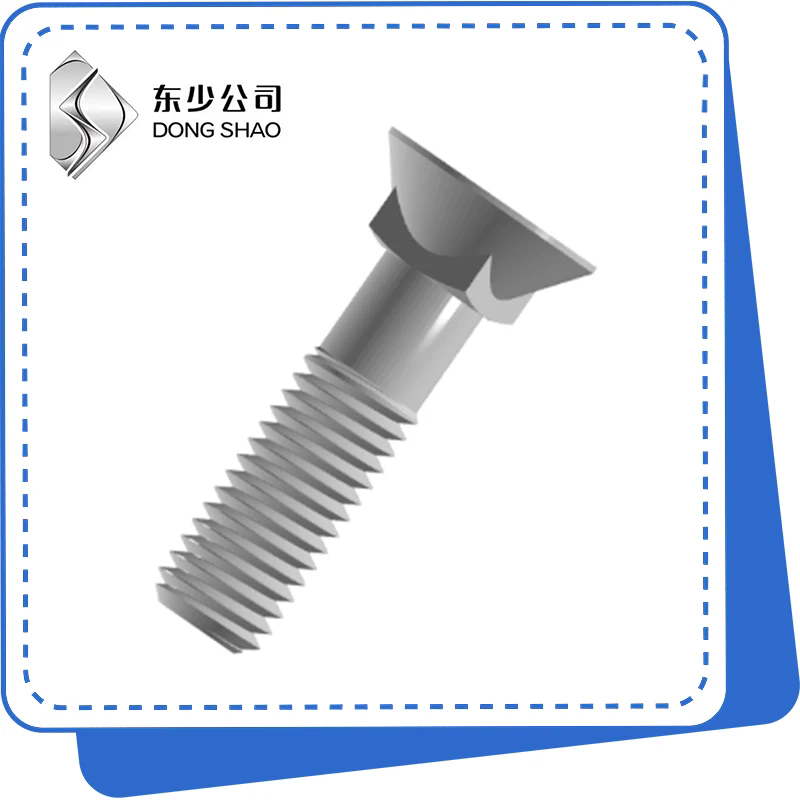
Table of Contents
- Introduction to Countersunk Bolts
- Design Features and Specifications
- Material Selection and Durability
- Applications Across Industries
- Selection Guide: Choosing the Right Countersunk Bolt
- Advantages of Using Countersunk Bolts
- Frequently Asked Questions
- Conclusion and Contact
Introduction to Countersunk Bolts
Countersunk bolts are fasteners designed to sit flush with the surface of the material they are installed in. Unlike traditional bolts with protruding heads, countersunk bolts are angled to allow the head to embed into the material, creating a smooth, even surface. This feature is essential in applications where appearance, safety, or aerodynamics matter.
Engineers rely on countersunk bolts to prevent snags, reduce wear, and achieve precise alignment in assemblies. DONGSHAO provides a wide range of countersunk bolts that meet international standards for reliability and performance.
Design Features and Specifications
The performance of a countersunk bolt depends heavily on its design. Key specifications include:
- Head Angle: Commonly 82°, 90°, or 100°, matching the countersink in the material.
- Thread Type: Available in metric or imperial threads, fully or partially threaded depending on application.
- Dimensions: Diameter and length are chosen based on load requirements and material thickness.
- Finish: Zinc-plated, black oxide, stainless steel, or custom coatings to resist corrosion.
| Specification | Typical Range |
|---|---|
| Head Angle | 82° / 90° / 100° |
| Thread Diameter | M3 – M24 |
| Length | 6 mm – 200 mm |
| Material | Stainless Steel, Carbon Steel, Alloy Steel |
| Surface Finish | Zinc Plating, Black Oxide, Plain, Customized |
Material Selection and Durability
Choosing the right material is critical for countersunk bolts, as it affects strength, corrosion resistance, and lifespan:
- Stainless Steel: Ideal for outdoor or marine environments due to excellent corrosion resistance.
- Carbon Steel: Cost-effective for general applications with moderate strength requirements.
- Alloy Steel: Suitable for high-stress industrial environments, offering superior tensile strength.
- Coatings: Surface treatments such as zinc plating or black oxide extend durability and reduce friction.
Applications Across Industries
Countersunk bolts are versatile and used in numerous industries. Typical applications include:
- Automotive: Interior panels, dashboards, and body panels for a smooth finish.
- Aerospace: Aircraft panels where flush surfaces reduce drag and improve aerodynamics.
- Electronics: Securing components in devices without protruding heads that could obstruct movement.
- Furniture and Woodworking: Achieving seamless joints in cabinetry and furniture assembly.
- Industrial Machinery: Precision machinery where alignment and smooth surfaces are crucial.
Selection Guide: Choosing the Right Countersunk Bolt
Selecting the proper countersunk bolt requires careful consideration of several factors:
- Load Requirements: Determine tensile and shear loads to select the correct bolt grade.
- Material Compatibility: Avoid galvanic corrosion by matching bolt and material types.
- Environmental Conditions: Consider exposure to moisture, chemicals, or extreme temperatures.
- Installation Precision: Ensure the countersink angle matches the bolt head to maintain a flush finish.
- Quantity and Standards: Verify compliance with ISO, DIN, or ANSI standards for uniformity and quality assurance.
Advantages of Using Countersunk Bolts
- Flush surface reduces risk of snagging or interference.
- Enhanced aesthetic appearance in visible applications.
- Improved load distribution when installed properly.
- Compatible with automated assembly processes.
- Available in various materials and finishes for versatile applications.
Frequently Asked Questions
1. What is the difference between a countersunk bolt and a regular bolt?
A countersunk bolt has a tapered head that allows it to sit flush with the surface, while a regular bolt has a protruding head. This design difference affects aesthetics, safety, and load distribution.
2. How do I choose the correct head angle?
The head angle should match the countersink in the material. Standard angles include 82°, 90°, and 100°. Using the correct angle ensures a flush installation and proper load transfer.
3. Can countersunk bolts be reused?
Yes, but it depends on material and wear. Bolts installed in soft materials or under heavy load may deform and should be replaced to maintain safety and performance.
4. Why choose DONGSHAO countersunk bolts?
DONGSHAO provides high-quality countersunk bolts with strict quality control, various material options, and compliance with international standards, ensuring reliable performance across industries.
Conclusion and Contact
Countersunk bolts are critical components for applications requiring flush surfaces, precise alignment, and reliable fastening. Their design versatility, material options, and industrial relevance make them indispensable for automotive, aerospace, electronics, and furniture projects. DONGSHAO offers a comprehensive range of countersunk bolts that deliver durability, consistency, and compliance with international standards.
To learn more about our countersunk bolts and to request a customized solution for your project, contact us today. Our team is ready to provide expert guidance and ensure your assembly meets the highest standards.