- English
- 简体中文
- Esperanto
- Afrikaans
- Català
- שפה עברית
- Cymraeg
- Galego
- 繁体中文
- Latviešu
- icelandic
- ייִדיש
- беларускі
- Hrvatski
- Kreyòl ayisyen
- Shqiptar
- Malti
- lugha ya Kiswahili
- አማርኛ
- Bosanski
- Frysk
- ភាសាខ្មែរ
- ქართული
- ગુજરાતી
- Hausa
- Кыргыз тили
- ಕನ್ನಡ
- Corsa
- Kurdî
- മലയാളം
- Maori
- Монгол хэл
- Hmong
- IsiXhosa
- Zulu
- Punjabi
- پښتو
- Chichewa
- Samoa
- Sesotho
- සිංහල
- Gàidhlig
- Cebuano
- Somali
- Тоҷикӣ
- O'zbek
- Hawaiian
- سنڌي
- Shinra
- Հայերեն
- Igbo
- Sundanese
- Lëtzebuergesch
- Malagasy
- Yoruba
- Español
- Português
- русский
- Français
- 日本語
- Deutsch
- tiếng Việt
- Italiano
- Nederlands
- ภาษาไทย
- Polski
- 한국어
- Svenska
- magyar
- Malay
- বাংলা ভাষার
- Dansk
- Suomi
- हिन्दी
- Pilipino
- Türkçe
- Gaeilge
- العربية
- Indonesia
- Norsk
- تمل
- český
- ελληνικά
- український
- Javanese
- فارسی
- தமிழ்
- తెలుగు
- नेपाली
- Burmese
- български
- ລາວ
- Latine
- Қазақша
- Euskal
- Azərbaycan
- Slovenský jazyk
- Македонски
- Lietuvos
- Eesti Keel
- Română
- Slovenski
- मराठी
- Srpski језик

How to Choose and Use Eye Bolts for Safe Lifting and Rigging?
Abstract: Eye bolts are critical hardware components used in lifting, rigging, and securing applications. Understanding the different types, load capacities, and installation techniques is essential to ensure operational safety and efficiency. This article provides a detailed overview of Eye Bolts, their specifications, common questions, and practical guidance for safe usage.
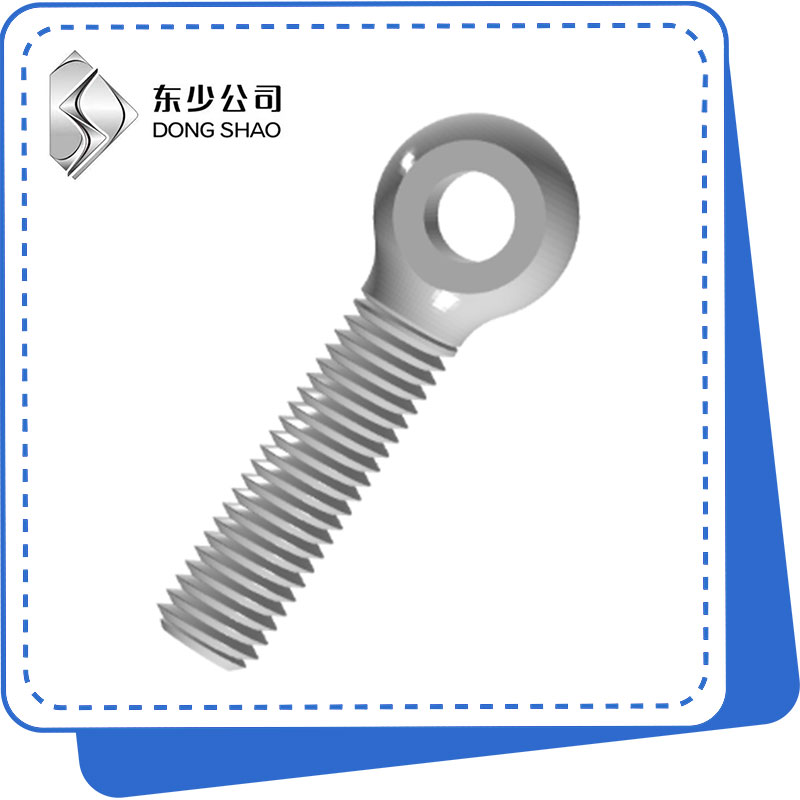
Table of Contents
1. Eye Bolt Overview 2. Product Specifications and Parameters 3. Installation, Usage, and Safety Guidelines 4. Eye Bolt Common Questions 5. Brand Reference and Contact1. Eye Bolt Overview
Eye bolts are mechanical fasteners with a loop at one end and a threaded shank at the other. They are designed for lifting, hoisting, and anchoring heavy loads safely. These components are widely used in construction, marine, industrial, and manufacturing applications. Selecting the appropriate Eye Bolt type and ensuring proper installation are key to preventing accidents and equipment damage.
The article will examine the main Eye Bolt categories, material options, load capacities, and installation methods, providing a professional guide to optimize both safety and efficiency.
2. Product Specifications and Parameters
The following table summarizes common Eye Bolt specifications, highlighting essential parameters used in professional lifting and rigging scenarios:
| Parameter | Description |
|---|---|
| Material | Carbon Steel, Stainless Steel, Alloy Steel |
| Thread Type | Metric, UNC, UNF |
| Size Range | M6 to M36 or 1/4" to 1-1/2" |
| Load Capacity | From 250 kg to 5 tons (depending on material and size) |
| Finish | Plain, Zinc-Plated, Hot-Dip Galvanized |
| Eye Type | Shoulder Eye Bolt, Regular Eye Bolt, Swivel Eye Bolt |
| Temperature Range | -40°C to 250°C (depending on material) |
3. Installation, Usage, and Safety Guidelines
3.1 Selecting the Correct Eye Bolt
Choosing the right Eye Bolt depends on the load type, angle of lift, and environmental conditions. Shoulder Eye Bolts are recommended for angular lifts, while Regular Eye Bolts are suitable for vertical lifts only. Material selection is crucial for corrosion resistance in marine or chemical environments.
3.2 Installation Best Practices
- Ensure threads are fully engaged in the base material.
- Do not exceed the rated load capacity.
- Use washers or shoulder plates to distribute load if necessary.
- Inspect Eye Bolts regularly for wear, corrosion, and deformation.
3.3 Safety Considerations
Incorrect installation or misuse can lead to catastrophic failures. Always follow manufacturer guidelines, and when lifting at an angle, apply correction factors to the working load limit. Avoid side-loading Regular Eye Bolts as this can significantly reduce their strength.
4. Eye Bolt Common Questions
Q1: How can the correct Eye Bolt size be determined for heavy lifting?
A1: Eye Bolt size is determined based on load weight, lifting angle, and thread engagement depth. Refer to manufacturer load charts and ensure the bolt's material and diameter match or exceed the expected load. Shoulder Eye Bolts provide better load distribution for angular lifts.
Q2: What are the differences between Regular Eye Bolts and Shoulder Eye Bolts?
A2: Regular Eye Bolts are designed for vertical lifts only, while Shoulder Eye Bolts include an extended collar that allows for angular lifting without compromising safety. Shoulder designs also reduce bending stress and prevent thread stripping during angled lifts.
Q3: Can Eye Bolts be reused after wear or deformation?
A3: Reusing Eye Bolts that show signs of wear, corrosion, or deformation is not recommended. Inspection should include checking for thread damage, eye elongation, or cracks. Only certified, undamaged Eye Bolts should be reused to ensure safety.
5. Brand Reference and Contact
DONGSHAO provides high-quality Eye Bolts with precise engineering, load certification, and material traceability. Their product line ensures compliance with industry safety standards and offers solutions for construction, marine, and industrial lifting applications. For inquiries, specifications, or purchasing details, contact us directly to receive expert assistance.