- English
- 简体中文
- Esperanto
- Afrikaans
- Català
- שפה עברית
- Cymraeg
- Galego
- 繁体中文
- Latviešu
- icelandic
- ייִדיש
- беларускі
- Hrvatski
- Kreyòl ayisyen
- Shqiptar
- Malti
- lugha ya Kiswahili
- አማርኛ
- Bosanski
- Frysk
- ភាសាខ្មែរ
- ქართული
- ગુજરાતી
- Hausa
- Кыргыз тили
- ಕನ್ನಡ
- Corsa
- Kurdî
- മലയാളം
- Maori
- Монгол хэл
- Hmong
- IsiXhosa
- Zulu
- Punjabi
- پښتو
- Chichewa
- Samoa
- Sesotho
- සිංහල
- Gàidhlig
- Cebuano
- Somali
- Тоҷикӣ
- O'zbek
- Hawaiian
- سنڌي
- Shinra
- Հայերեն
- Igbo
- Sundanese
- Lëtzebuergesch
- Malagasy
- Yoruba
- Español
- Português
- русский
- Français
- 日本語
- Deutsch
- tiếng Việt
- Italiano
- Nederlands
- ภาษาไทย
- Polski
- 한국어
- Svenska
- magyar
- Malay
- বাংলা ভাষার
- Dansk
- Suomi
- हिन्दी
- Pilipino
- Türkçe
- Gaeilge
- العربية
- Indonesia
- Norsk
- تمل
- český
- ελληνικά
- український
- Javanese
- فارسی
- தமிழ்
- తెలుగు
- नेपाली
- Burmese
- български
- ລາວ
- Latine
- Қазақша
- Euskal
- Azərbaycan
- Slovenský jazyk
- Македонски
- Lietuvos
- Eesti Keel
- Română
- Slovenski
- मराठी
- Srpski језик

Self-Drilling Screws Guide: Structure, Applications and Practical Selection Tips
In construction, metal fabrication, and industrial assembly, fasteners play an important role in ensuring structural stability. Among various fastening solutions, Self-Drilling Screws are widely used because they can drill, tap, and fasten materials in a single operation.
Unlike traditional screws that require a pre-drilled hole, self-drilling screws feature a drill-shaped point that allows them to penetrate materials directly during installation. This design reduces installation steps, saves labor time, and improves efficiency, especially in projects requiring a large number of fastening points.
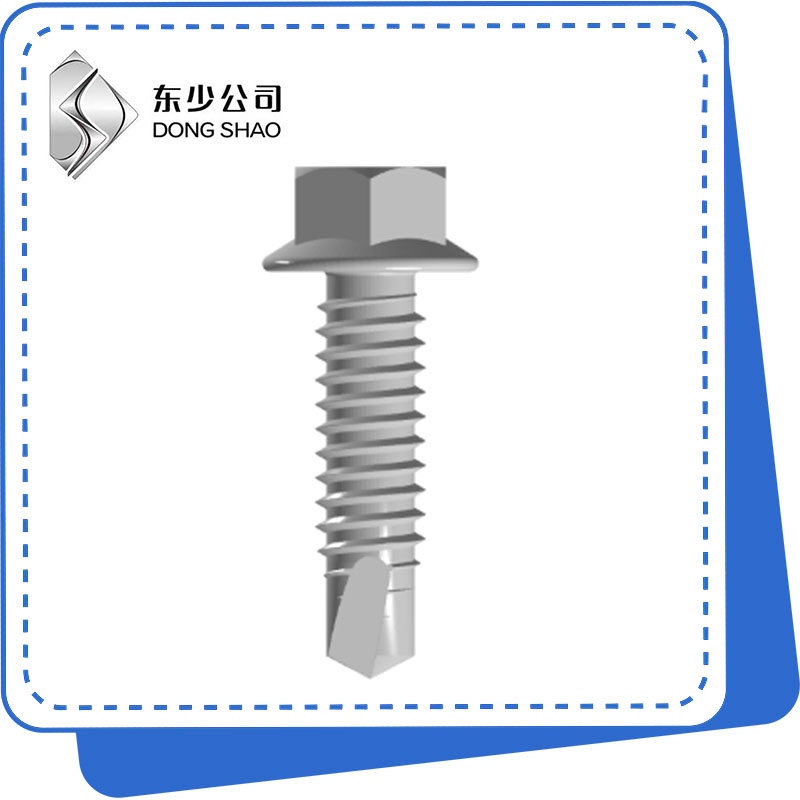
What Are Self-Drilling Screws?
Self-Drilling Screws are specialized fasteners with a built-in drilling point at the tip. They are designed to create their own hole while being driven into the material and then form a secure threaded connection.
Traditional fastening methods usually require:
- Positioning and marking the installation point
- Drilling a pilot hole
- Installing the screw separately
With Self-Drilling Screws, drilling and fastening can be completed at the same time, making them suitable for applications where speed and convenience are important.
Common materials that can be fastened with self-drilling screws include:
Understanding the Structure of Self-Drilling Screws
Although a screw appears simple, each part has a specific function that affects installation performance.
| Structure | Function |
|---|---|
| Drill Point | Cuts through the material and creates the initial hole |
| Thread | Provides holding strength and prevents loosening |
| Shank | Connects the head and threaded section |
| Head | Transfers driving force from the installation tool |
| Coating Layer | Improves corrosion resistance and surface durability |
Drill Point
The drill point is the most distinctive feature of Self-Drilling Screws.
Different drill point designs determine the type and thickness of materials the screw can penetrate.
Common variations include:
A practical industry detail is that the drilling capacity of a screw depends not only on the screw length but also on the hardness and thickness of the material being drilled.
Thread Design
The thread design directly affects fastening strength and installation performance.
Common thread types include:
Coarse Threads
Suitable for:
They provide strong grip and faster installation.
Fine Threads
Suitable for:
They allow more precise engagement with harder materials.
The number and spacing of threads must be balanced. Extremely dense threads do not always mean better performance because they may increase installation resistance in harder materials.
Common Materials Used for Self-Drilling Screws
The material of a self-drilling screw determines its strength, durability, and environmental resistance.
Carbon Steel Self-Drilling Screws
Carbon steel is one of the most widely used materials for self-drilling screws.
Advantages include:
To improve corrosion resistance, carbon steel screws are often treated with surface coatings such as zinc plating.
Common applications include:
Stainless Steel Self-Drilling Screws
Stainless steel versions are commonly selected for environments where corrosion resistance is important.
Key advantages:
Typical applications include:
Main Applications of Self-Drilling Screws
1. Metal Roofing Installation
Metal roofing is one of the most common applications for Self-Drilling Screws.
They are widely used for fixing:
The ability to drill directly through metal panels helps reduce installation time and simplifies construction work.
2. Steel Structure Construction
In steel structure projects, thousands of connection points may be required. Self-drilling screws help improve installation efficiency by eliminating separate drilling operations.
Typical uses include:
3. Machinery and Equipment Assembly
Industrial equipment often requires fastening of metal covers, brackets, and protective panels.
Self-drilling screws are suitable because they offer:
They are commonly found in:
4. Furniture and Interior Decoration
Some metal furniture and decorative structures also use self-drilling screws.
Applications include:
Self-Drilling Screws vs Ordinary Screws
| Comparison | Self-Drilling Screws | Ordinary Screws |
|---|---|---|
| Pre-drilling | Usually not required | Usually required |
| Installation Speed | Faster | Slower |
| Main Application | Metal and industrial fastening | General fastening |
| Installation Process | Drilling and fastening in one step | Separate drilling and fastening |
| Efficiency | Suitable for large-scale projects | Suitable for simple applications |
For projects involving repeated metal fastening, self-drilling screws can significantly reduce installation time. For basic fastening tasks with soft materials, ordinary screws may still be sufficient.
Important Factors When Using Self-Drilling Screws
1. Choose the Correct Screw Type for the Material
Not every self-drilling screw is suitable for every application.
Before selection, consider:
Using a screw with insufficient drilling ability may result in damaged drill points or incomplete fastening.
2. Control Installation Speed and Torque
Proper installation helps maintain screw performance.
Recommended practices include:
Excessive torque may damage the screw head or deform the connected material.
3. Consider Corrosion Protection
For outdoor or humid environments, corrosion resistance is an important consideration.
Common protection options include:
The right surface treatment helps extend service life, especially in environments exposed to moisture, chemicals, or salt spray.
How to Select the Right Self-Drilling Screws?
A suitable Self-Drilling Screw should match the specific requirements of the project.
Key selection factors include:
Material Compatibility
Choose screws according to the material being fastened, such as steel, aluminum, or composite panels.
Screw Length
The screw length should provide enough engagement without affecting the structure.
Head Type
Different head designs serve different purposes:
Surface Treatment
Select coatings according to environmental conditions.
For indoor applications, standard coatings may be enough. For outdoor or corrosive environments, stainless steel or enhanced coatings are usually more suitable.