- English
- 简体中文
- Esperanto
- Afrikaans
- Català
- שפה עברית
- Cymraeg
- Galego
- 繁体中文
- Latviešu
- icelandic
- ייִדיש
- беларускі
- Hrvatski
- Kreyòl ayisyen
- Shqiptar
- Malti
- lugha ya Kiswahili
- አማርኛ
- Bosanski
- Frysk
- ភាសាខ្មែរ
- ქართული
- ગુજરાતી
- Hausa
- Кыргыз тили
- ಕನ್ನಡ
- Corsa
- Kurdî
- മലയാളം
- Maori
- Монгол хэл
- Hmong
- IsiXhosa
- Zulu
- Punjabi
- پښتو
- Chichewa
- Samoa
- Sesotho
- සිංහල
- Gàidhlig
- Cebuano
- Somali
- Тоҷикӣ
- O'zbek
- Hawaiian
- سنڌي
- Shinra
- Հայերեն
- Igbo
- Sundanese
- Lëtzebuergesch
- Malagasy
- Yoruba
- Español
- Português
- русский
- Français
- 日本語
- Deutsch
- tiếng Việt
- Italiano
- Nederlands
- ภาษาไทย
- Polski
- 한국어
- Svenska
- magyar
- Malay
- বাংলা ভাষার
- Dansk
- Suomi
- हिन्दी
- Pilipino
- Türkçe
- Gaeilge
- العربية
- Indonesia
- Norsk
- تمل
- český
- ελληνικά
- український
- Javanese
- فارسی
- தமிழ்
- తెలుగు
- नेपाली
- Burmese
- български
- ລາວ
- Latine
- Қазақша
- Euskal
- Azərbaycan
- Slovenský jazyk
- Македонски
- Lietuvos
- Eesti Keel
- Română
- Slovenski
- मराठी
- Srpski језик

Single Slotted Blind Head Machine Screw
Precision engineering demands fasteners that can deliver secure clamping without protruding heads or interfering with adjacent components. The single slotted blind head machine screw fills that need perfectly, providing a completely flush fit once installed. When selecting threaded fasteners for subsurface applications, many engineers compare configurations like the Slotted Drive Headless Set Screw, which relies on an internal hex or slot for tightening and is often used to secure collars to shafts, or the Flat Slot No Head Threaded Fastener, which sits entirely within a tapped hole and uses a thin slot for adjustments. The single slotted blind head design distinguishes itself by combining a shallow, minimal-thickness head that countersinks completely into the workpiece with a classic single-slot drive, making it simple to install with standard flathead screwdrivers while leaving the surrounding surface smooth and snag-free.
The Single Slotted Blind Head Machine Screw is manufactured to deliver reliable fastening in low-profile assemblies where a visible fastener head would be unacceptable. The blind head refers to the screw’s ability to seat below the material surface, with the slotted recess being the only accessible feature after installation. This makes it particularly useful in thin-wall enclosures, mold tooling, clamping fixtures, and precision machinery where surfaces must remain flat and free of protrusions. The screw is available in a wide variety of materials and thread sizes, allowing engineers to match the fastener to the specific strength, corrosion resistance, and temperature requirements of the project. Popular material options include 18-8 stainless steel for general corrosion resistance, 316 stainless steel for marine and chemical environments, alloy steel for high tensile applications, and brass or nylon for specialized electrical or non-marring uses. The single slot drive provides straightforward torque transmission with common tools, and its shallow depth ensures that even in very thin panels, enough thread engagement remains beneath the head to maintain a secure hold. Whether used in prototype builds or high-volume production lines, this fastener type offers the dimensional stability and repeatable installation torque that modern manufacturing demands.
Key Features and Advantages
- Fully flush blind head design eliminates surface protrusions after installation
- Single slot drive for simple adjustment with standard flat-blade screwdrivers
- Precision Class 2A/3A threads ensure consistent engagement and vibration resistance
- Available in inch and metric sizes from #0-80 to 1/2-20 and M2 to M12
- Multiple material choices include stainless steel (18-8, 316), alloy steel, brass, and nylon
- Optional surface finishes: plain, black oxide, zinc plating, and passivated
- Ideal for thin panel assemblies, fixture clamps, mold inserts, and stop collar applications
- Maintains full thread strength while presenting a clean, aerodynamic surface
Technical Specifications and Dimensional Data
| Parameter | Inch Series | Metric Series |
|---|---|---|
| Thread Standard | UNC / UNF / UNEF | ISO Metric Coarse / Fine |
| Common Diameters | #0, #2, #4, #6, #8, #10, 1/4, 5/16, 3/8, 1/2 | M2, M2.5, M3, M4, M5, M6, M8, M10, M12 |
| Typical Lengths | 1/8″ to 3″ in standard increments | 4mm to 80mm in standard increments |
| Head Style | Blind (countersunk flat, no projection above surface) | |
| Drive Type | Single Slot (straight slotted recess) | |
| Slot Dimensions | Width 0.025″–0.125″ depending on size | Width 0.6mm–3.0mm depending on size |
| Material & Hardness | 18-8 Stainless (HRB 70 min), 316 SS (HRB 70 min), Alloy Steel (HRC 39–44 heat treated) | Equivalent stainless and alloy grades |
| Plating / Coating Options | Black Oxide, Zinc Clear, Zinc Yellow, Passivation, Plain Wax | Zinc Plated, Passivated, Black, Plain |
| Tensile Strength Range | 70,000–180,000 psi depending on material | 500–1250 MPa depending on material |
| Maximum Operating Temperature | Up to 800°F (alloy steel), 500°F (stainless) | Up to 425°C (alloy steel), 260°C (stainless) |
Installation of the Single Slotted Blind Head Machine Screw is straightforward but requires attention to the counterbore or countersink geometry to ensure the head seats completely below the material surface. Proper pilot hole sizing based on the material and thread engagement percentage is essential for achieving rated strength values. For thin materials under 0.100 inch, fine threads are recommended to maximize the number of engaged threads, while standard coarse threads offer faster assembly in thicker sections. The single slot accommodates both manual and power driving, though the use of a screw-holding bit can improve alignment in blind holes. For applications exposed to frequent vibration, pairing the screw with a thread-locking compound or a pre-applied patch is common practice. These screws are often specified alongside dowel pins and locating bushings in fixture design, where the blind head ensures no distortion to the workpiece clamping surface. Stock configurations are available for immediate shipment in common sizes, while custom lengths, diameters, and materials can be manufactured to meet unique project specifications, providing the exact combination of strength and aesthetics without overengineering the assembly.
Related Products




Hot Products

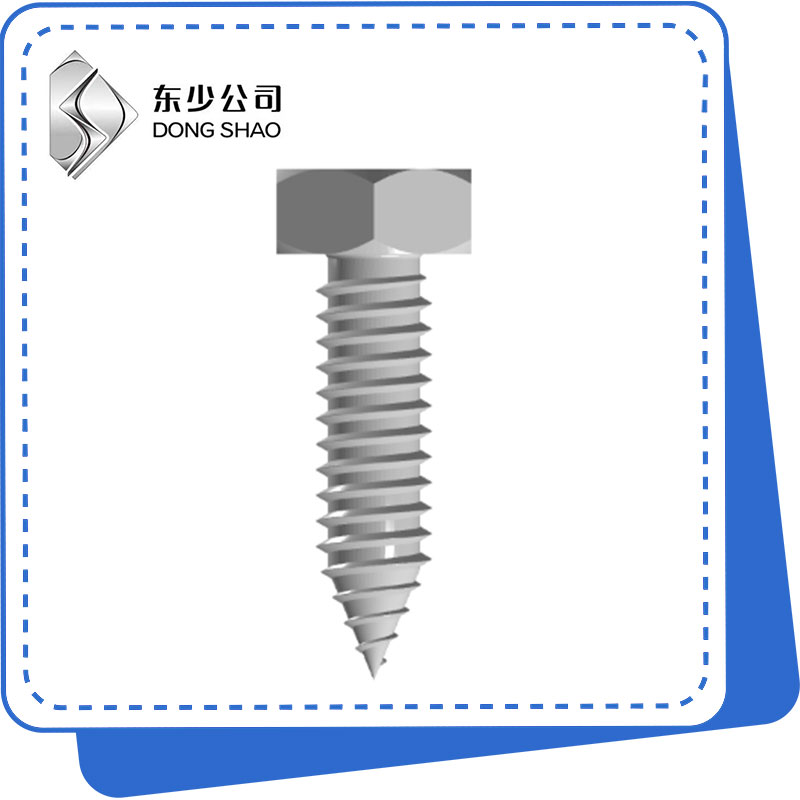
Hexagon Fit Bolts with Long Threaded Dog Point
DONGSHAO is one of leading China Hexagon Fit Bolts with Long Threaded Dog Point manufacturers, suppliers and exporters.
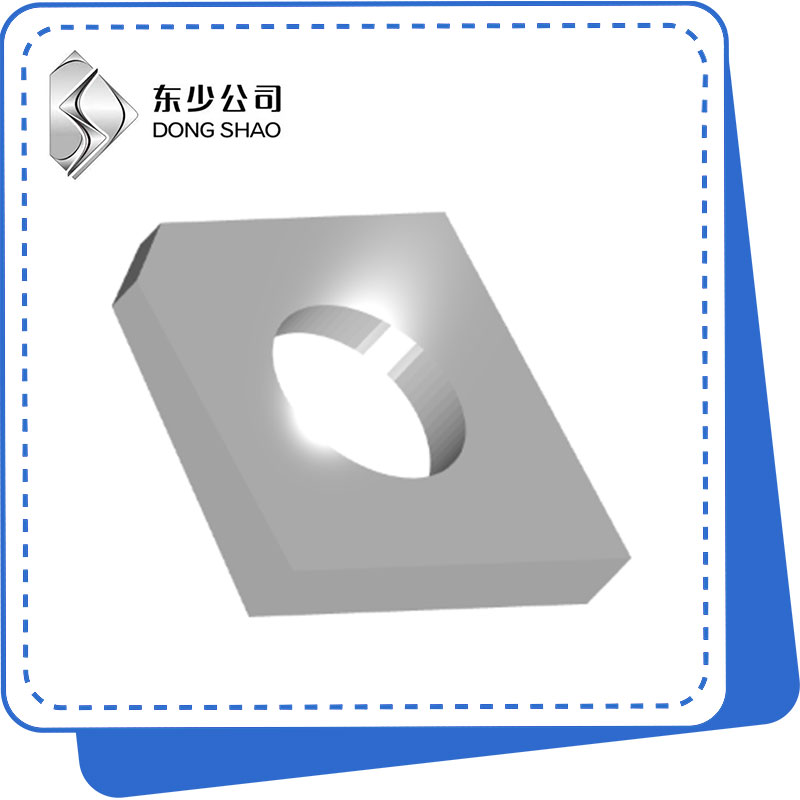
Round Head Bolts
As one of professional manufacturers in China, DONGSHAO would like to provide you Round Head Bolts. And we will offer you the best after-sale service and timely delivery.
Double End Studs Bolts with Equal Length
Welcome to wholesale Double End Studs Bolts with Equal Length from us, every request from customers is being replied within 24 hours. DONGSHAO is the professional manufacturer, we would like to provide you Double End Studs Bolts with Equal Length and we will offer you the best after-sale service and timely delivery.
Slotted Headless Screw
High quality Slotted Headless Screw is offered by China manufacturers DONGSHAO. Buy Slotted Headless Screw which is of high quality directly with low price.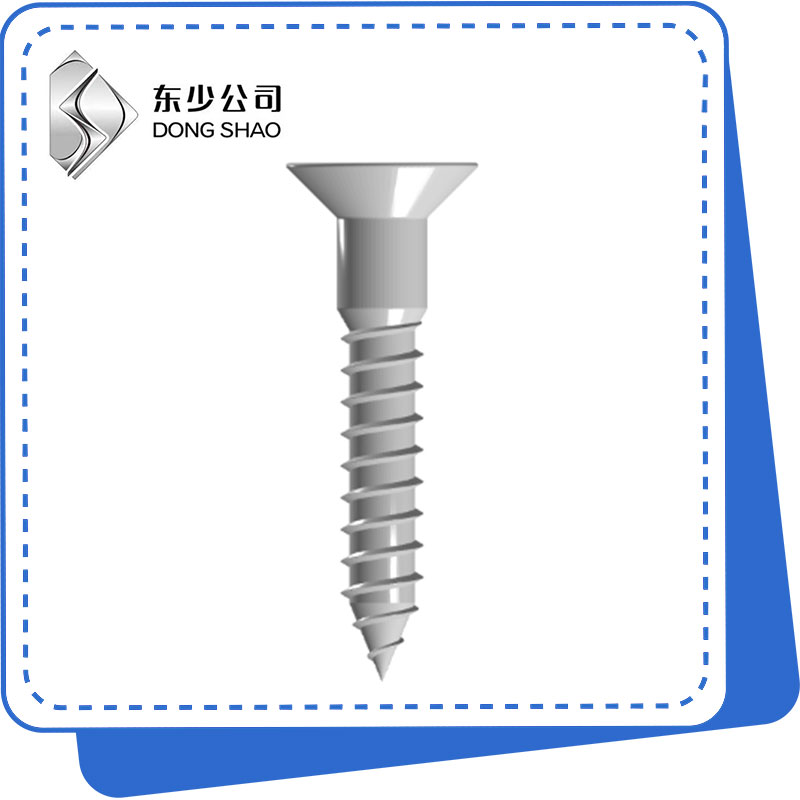
Cross Recessed Countersunk Head Wood Screws
As one of professional high quality Cross Recessed Countersunk Head Wood Screws manufacturers, you can rest assured to buy Cross Recessed Countersunk Head Wood Screws from DONGSHAO and we will offer you the best after-sale service and timely delivery.
Single Coil Spring Lock Washers Heavy Type
Manufactured by DONGSHAO—our Single Coil Spring Lock Washers Heavy Type are specifically engineered for high-load industrial applications. Featuring enhanced material thickness and density, these heavy-duty helical washers provide exceptional fastening force and superior vibration damping. Factory direct wholesale discounts and 24-hour rapid inquiry responses are fully guaranteed.
- Related Blog
- Reviews